
At The Elite Nanny Company we often work with a family for many years and watch how the children, and the parents, grow and change! Choosing your first nanny can be daunting, although we’ve found that parents who chose to have a maternity nurse often find it easier.
Why have a nanny?
Reasons for hiring a nanny include
- Returning to work
- Not having family nearby for childcare
- Wanting something special/different for your child
- Dissatisfaction with local childcare options
- Living or working abroad and wanting children to have a sense of their home community
- Special needs requirements
- Intention to home-school.
First nanny survival tips
Good communication with your nanny is vital. You may be feeling doubt about leaving your child or guilt that you even need to. These are common responses and after a short while most families see how beneficial an experienced nanny can be, not just to the child but to helping the family make the most of free time and enjoy daily life.
Make a list
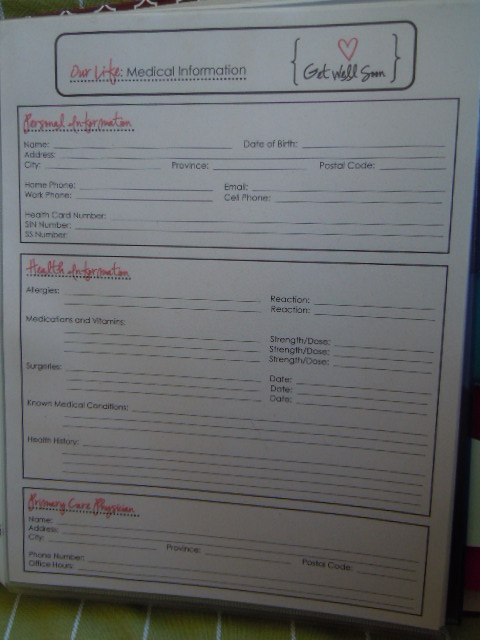
Of everything! Whatever you think your nanny might need to know and then some! Telephone numbers, food preferences, library opening times, best friends, snuggle toys, worst habits …get everything out of your head and down on paper. Then organise it into sensible lists with clear headings like this well organised example. This serves two purposes:
a. it lets your nanny get on with daily routines without having to bother you with questions all the time
b. it frees you of the fear you haven’t told her the one thing (or eleven things!) that she really needed to know.
Set a communication time
Once a day or once a week, have time set aside to find out how your child is doing and feed back to your nanny on what you’ve experienced and observed. Don’t use this time to do diary dates …keep it for interchange about the children, their progress, needs, wants and problems. This means your person to person communication is clear.
Do diary every day
Many parents find a family diary or wall chart very helpful. Put in dentist and doctor appointments, birthdays, school events, play dates etc. Also clearly mark times you’ll want something extra from your first nanny whether it’s babysitting over and above her contracted hours or that she helps out at a birthday party. This means your employer/employee relations are really clear.
Be clear about problems
If you have a doubt or fear write it down and then see if it still seems valid. If so, state it and make a suggestion about what needs to change. Example – “I’m worried that Alice is watching too much TV. Perhaps you could let her watch one cartoon and then help her draw something she saw in it. That way she might stay with her crayons and paint instead of returning to the television.”This means your communication around difficult issues is honest and clear.
Thank your nanny for what she does
If she puts out the bins, cleans dirty shoes, or reminds you when the store cupboard is running low on a favourite food, she’s going above and beyond her duties. She’ll be appreciative of your appreciation and no matter how experienced nanny is, when she knows she’s your first nanny, she’ll really welcome the certainty that you value her.