
As several thousand people every day become infected with the new coronavirus, Covid-19, it can be difficult to decide which everyday activities your family should continue and which you should modify in the face of events.
How to avoid infection
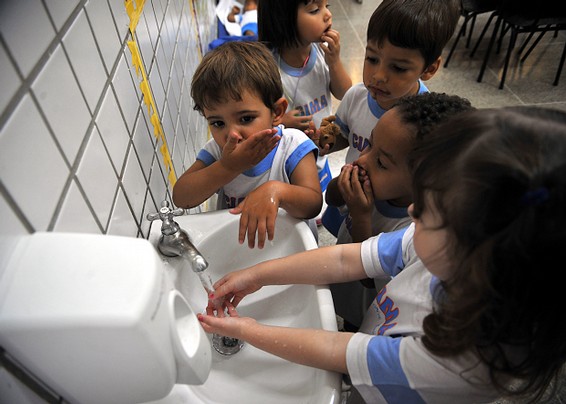
As every nanny knows, teaching good hygiene just can’t wait for emergencies which is why so many of them focus on ensuring their charges have routines that prioritise personal health and welfare. This makes to so much easier to increase precautions at times of high risk such as in times of exposure to infectious diseases or travelling abroad to countries with lower overall hygiene standards.
- Ensure the whole family washes their hands regularly, with soap and water or an alcohol-based rub
- Teach little ones to cover their mouth or nose with a bent elbow or tissue when coughing or sneezing and to dispose of the tissue immediately
- Avoid close contact with people showing cold or flu symptoms
- Call your doctor or 111 if anybody in the household develops a fever, cough or has difficulty breathing.
It all sounds so simple, doesn’t it? But as every experienced nanny knows, life is full of challenges, especially when moving around with small children. To list just a few: escalator hand-rails, underground carriages and buses full of coughing and sneezing people, museum exhibits that encourage children to press buttons, soft play areas (a recent American study found 31 species of bacteria and 1 yeast on ball pit balls, nine of the bacteria and the yeast were known to cause illness in humans) and playdates with families who have different ideas about hygiene and health precautions!
Family fun in challenging circumstances
It’s a fine balancing act deciding how much to change a child’s routine, some children, those with compromised immune systems or a history of respiratory illness, will naturally need a higher precaution level than others. And every family responds differently to risk, so there’s no ‘one way’ to decide what to do next. However, our professional nanny candidates have some suggestions that may help.
- One nanny decants alcohol-based hand rub into little bottles for each child in the family every day. By bedtime they should have used all the rub and get a reward for so doing. It’s a way of giving each child a sense of ownership and responsibility – but she does also suggest the right times to use the hand sanitiser so the kids also begin to recognise which are higher risk situations.
- There are several funny songs going around that tell you how long to wash your hands for. TikTok has gone mad for the Vietnamese health ministry’s promotional campaign. Other nannies have told us that they are videoing the children washing their hands in public places and texting the videos to parents to get a thumbs up – reinforcing the message that cleanliness matters and using social media to create a good habit.
- Perhaps our favourite idea comes from a nanny who has to get three children to three different schools every day, then to after school activities too. Each evening she and the children create a ‘Jumanji map’ showing where danger lurks on their travels and fix it to the car dashboard so that as they move around their home town, they can be aware of risk factors. What a great way to combine creativity, fun, and social responsibility!