
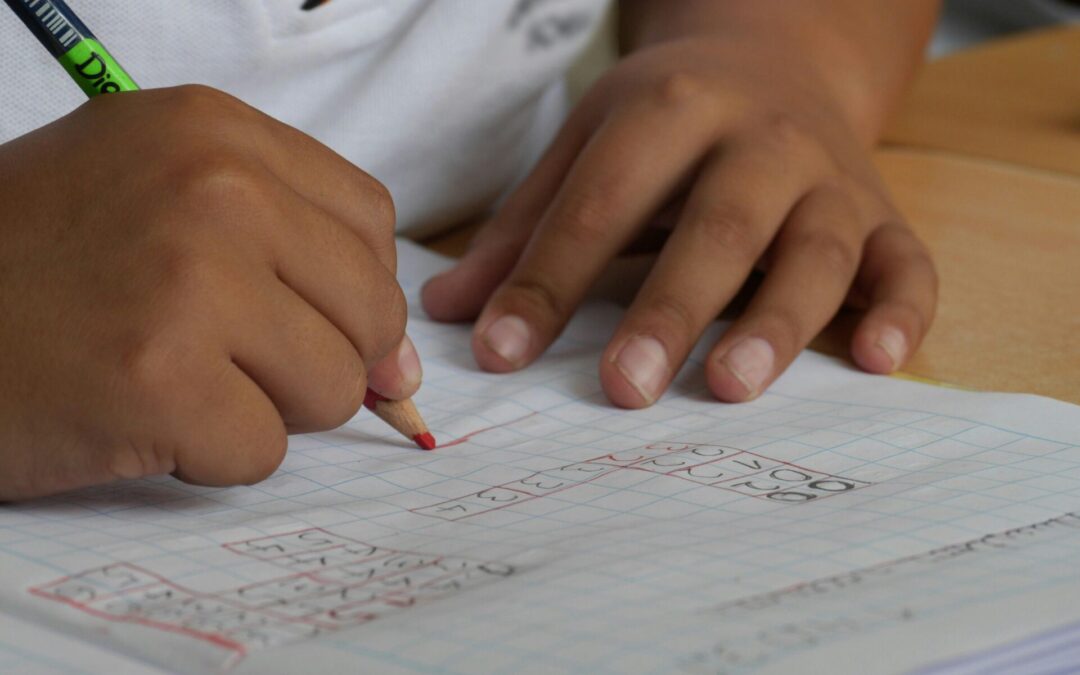
First things first – this is nothing new. Last year the SATs results were delayed by the King’s coronation. In 2008 it was a marking problem that delayed SATs. In fact, delayed SATs are the new normal!
What are SATs?
Standard Assessment Tests (SATs) are compulsory in every UK state school in year 6 and they only measure English grammar, punctuation and spelling, English reading and maths. Most schools send out SATs results in the week beginning 15 July, however many schools are delaying sending out the results because they are checking for marking errors or ‘anomalies’.
Keeping SATs in perspective
One of our most popular nanny candidates points out just how difficult the SATs process is for children, “They’re so young and it’s often their first experience of ‘tests’ or ‘exams’ and they don’t grasp the significance that adults place on the results.” She told us, “If parents can try and keep it as more of a game than as a test, it will be easier on everybody.”
And on one level we all know that SATs test a very narrow range of ability: no language or science, no art or social skills, for example. But we also tend to have our own reactions to ‘exams’ that can impact our children.
1 – focus on the positive
Children grow and change immensely after the age of six or seven. Compliment them on their hard work and willingness, not their results and you’ll teach them to focus on their commitment to learning not on their outcomes which leads to more resilient approaches to testing.
2 – don’t sit around waiting
Assume the SATs will be delayed. Plan something fun for every day, it doesn’t have to be big: a picnic in the garden, a trip to the local park, dressing up and watching a family favourite film with your temporary nanny, whilst your full time nanny is on holiday. This takes the stress out of the waiting period.
3 – reward the positive
Even if the results aren’t what you’d hoped for, reward your child for their efforts. It can boost their confidence next time they’re in an exam situation.
4 – be realistic yourself
Waiting for SATs results can be exhausting, but that’s because we put our adult perspective on the process; for children it’s really not a big deal. It’s important to remember that SATs results don’t reflect a child’s overall abilities or likely future exam performance. It’s just a government check on numeracy and literacy.
As another top nanny says, “The main learning from SATs is for parents. What can they do better to help their child learn easily and confidently? Where did they allow themselves to lose perspective? What can they change to make themselves into better supporters of childhood learning? These are the best results of the SATs!”
Photo credit: Pixabay at Pexels