
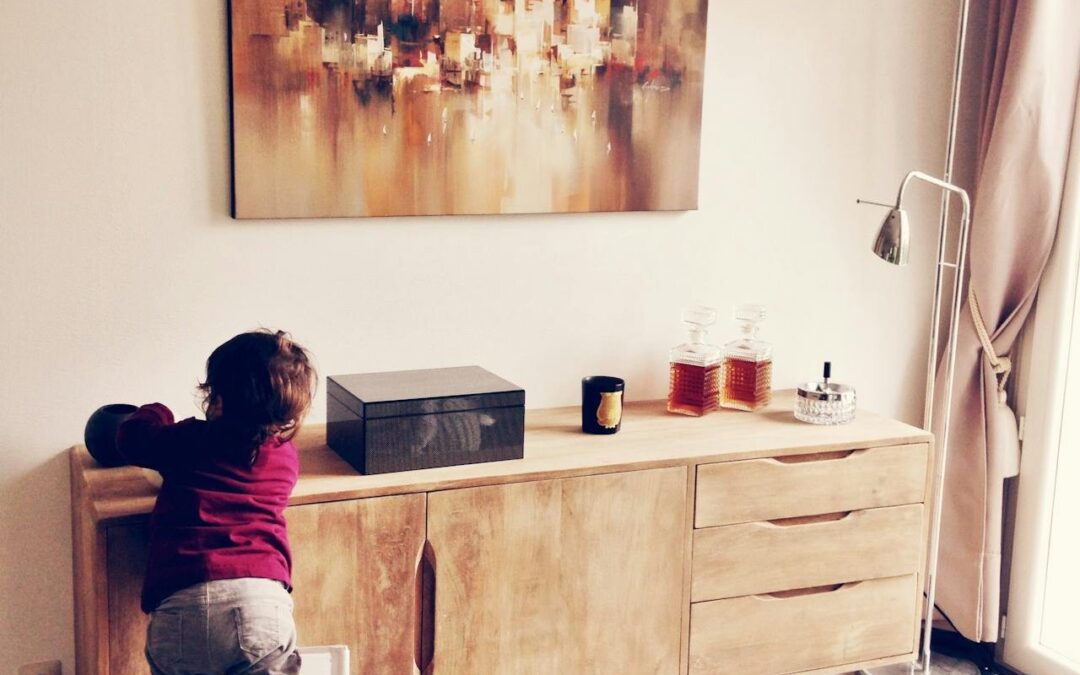
Creating a safe environment for children at home is a top priority for parents. Young children are naturally curious and love to explore, which means potential hazards are everywhere. From sharp corners to electrical sockets, the risks may seem small to adults but can pose serious dangers to little ones. If you’re a parent or caregiver in the UK, here are some essential tips to safety-proof your home for children.
1. Secure Furniture and Appliances
Heavy furniture, such as bookshelves, wardrobes, and TVs, can tip over if a child climbs on them. To prevent accidents:
Secure furniture to walls using anti-tip straps or brackets.
Keep TVs on low, stable units and use wall mounts where possible.
Store heavy items in lower drawers or cabinets to reduce the risk of tipping.
2. Cover Electrical Outlets and Secure Cords
Electric sockets and tangled cords can be dangerous for children. In the UK, most outlets have built-in safety shutters, but extra precautions help:
Use plug socket covers for additional protection.
Keep electrical cords out of reach and use cord organisers.
Avoid overloading extension leads, and never leave wires trailing where children can trip over them.
3. Install Safety Gates
Stairs are a major hazard for toddlers. Installing safety gates at the top and bottom of stairs prevents falls. Choose gates that:
Meet British Safety Standards (BS EN 1930:2011).
Are properly secured to walls or doorframes.
Have a child-proof locking mechanism but are easy for adults to open.
4. Lock Away Cleaning Products and Medicines
Household chemicals, medications, and even everyday items like hand sanitiser can be toxic to children. Keep them safe by:
Storing them in high cupboards with childproof locks.
Using safety latches on cabinets and drawers.
Keeping medicines in a locked medicine cabinet, away from reach.
5. Protect Against Sharp Corners and Edges
Coffee tables, TV stands, and other furniture often have sharp edges. To prevent injuries:
Use corner protectors on furniture.
Place soft rugs or foam mats in play areas.
Choose furniture with rounded edges when possible.
6. Window and Blind Cord Safety
Children can become tangled in long blind cords, posing a strangulation risk. To prevent this:
Use cordless blinds or secure cords with safety cleats.
Keep furniture away from windows to prevent climbing.
Install window restrictors to stop windows from opening too far.
7. Fire Safety Precautions
Fire safety is essential in any home. To protect children:
Install smoke and carbon monoxide detectors and test them regularly.
Keep matches and lighters out of reach.
Use fireguards around open fireplaces or heaters.
Teach children basic fire safety rules, such as “stop, drop, and roll.”
8. Safe Bath Time and Kitchen Precautions
Water and hot surfaces are common dangers for young children. Reduce risks by:
Using anti-slip mats in the bathtub and keeping water temperature below 38°C.
Installing stove guards and keeping handles turned inward when cooking.
Keeping sharp utensils and hot drinks out of reach.
Childproofing your home is an ongoing process as children grow and become more adventurous. Regularly inspect your home for new hazards and adjust safety measures accordingly. By following these precautions, you can create a safe, child-friendly home and enjoy peace of mind.
Photo by Pixabay: https://www.pexels.com/photo/toddler-standing-on-white-chair-beside-sideboard-276690/